Restoring Balance Between Human Activity and Natural Systems
We work with landowners, developers, and conservation groups to rebuild thriving ecosystems through scientific rigor and practical intervention.
Explore Our Approach
We work with landowners, developers, and conservation groups to rebuild thriving ecosystems through scientific rigor and practical intervention.
Explore Our Approach
For decades, environmental projects focused on simple tree-planting quotas without considering soil composition, native species compatibility, or long-term ecosystem dynamics. This resulted in monoculture forests that couldn't sustain wildlife or withstand climate stress.
Our methodology stems from observing these failures across multiple continents and developing a framework that prioritizes regenerative capacity over immediate visual impact.
Research published in Nature Ecology & Evolution demonstrates that soil fungal networks can transfer nutrients across species boundaries, creating resilience that surface-level interventions completely overlook. When projects ignore this underground architecture, restoration efforts collapse within five years despite appearing healthy initially.
We conduct comprehensive soil microbiome analysis before any intervention, ensuring compatibility between introduced species and existing biological infrastructure.
Each engagement is customized to your land's unique ecological profile and your operational constraints.
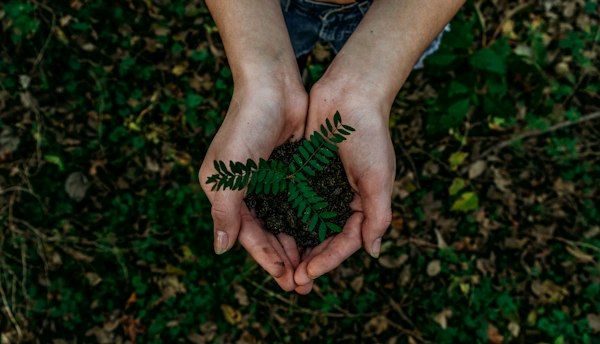
Comprehensive mapping of existing flora, fauna, soil health, water systems, and microclimatic conditions across your property. Includes 12-month monitoring cycle to capture seasonal variations.
Development of multi-phase restoration strategy with native species selection, planting schedules, invasive species management protocols, and success metrics aligned to your timeline.

Quantification of current and projected carbon capture capacity through biomass measurement, soil carbon testing, and modeling based on restoration scenarios. Includes certification-ready documentation.

Implementation of targeted interventions to increase species richness including pollinator corridors, water feature optimization, and edge habitat creation. 24-month guided execution with quarterly reviews.
Navigation of environmental protection requirements, planning permissions, and conservation designations. Preparation of impact assessments and liaison with statutory bodies.
Since establishing operations in 2018, we've worked with 47 landowners across England, Scotland, and Wales to restore degraded sites ranging from 2 to 340 hectares. Our projects have reintroduced 23 locally extinct plant species and documented returning populations of species like dormice, nightingales, and barn owls.
Every project includes transparent reporting and access to our monitoring database so you can verify ecological improvements independently.
Tell us about your land and conservation goals. We'll review your inquiry and respond within three business days with initial recommendations.
The environmental improvement projections provided are based on typical outcomes from similar sites and ecological conditions. Actual results depend on numerous factors including weather patterns, existing site conditions, and ongoing maintenance practices. This information serves as guidance rather than guaranteed outcomes. We recommend consulting with our team for site-specific assessments before making land management decisions.